White-faced Heron
Egretta novaehollandiae
Animalia: Aves
Your bookings
Whadjuk & Yued Noongar Country
Part of Yanchep National Park network
Earn badges and points by completing this trail.
Trails WA supports the seven principles recommended by Leave No Trace Australia for minimising your impacts when using the trails.
Learn moreRead more about this trail
The trail, marked with posts bearing the cockatoo symbol, departs from the McNess Visitor Centre. Several kilometres after it crosses Wanneroo Road, it forks and forms a circular route, connecting with the Coastal Plain Trail for about 5km. The trail is through coastal vegetation, with little tree cover, so is not suited to summer walking. The track can also become sandy underfoot. During spring the wildflowers are spectacular.
Comprehensive information on the Perth region including destinations, things to see and do, accommodation and tours.

Yanchep National Park features a rich mix of coastal woodlands, pristine wetlands, and limestone cave ecosystems that protect a high diversity of native West Australian wildlife and seasonal wildflowers. Located on the northern Swan Coastal Plain, its distinct landscapes support everything from nomadic bird populations to ancient plant communities.
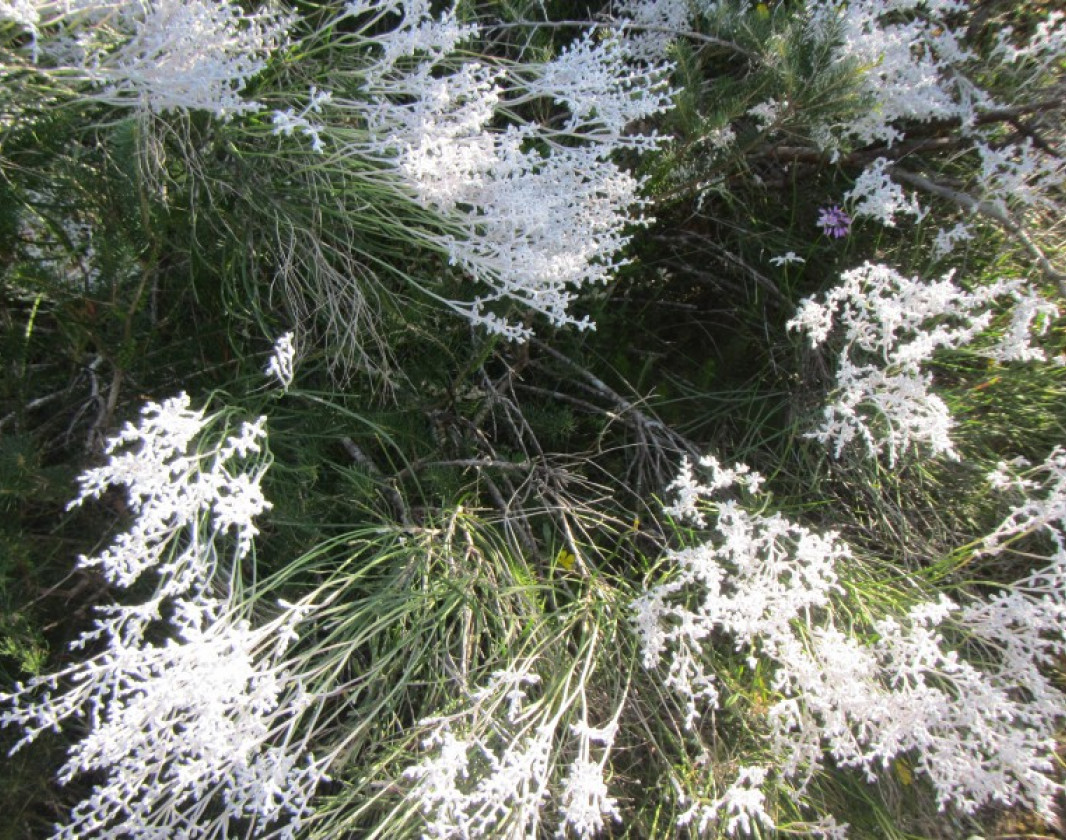
The northern and western ends of the Park retain major conservation value and show a range of landscape forms, from tall tuart forests, jarrah and marri forest, lush wetland vegetation surrounded by coastal paperbarks, banksia woodlands and kwongan heath. Distinctive native plants like Balgas (grass trees) and Zamia palms form a core part of the park's ancient understory. Wildflowers are prolific in Spring (August to October), where the forest floor blooms with vibrant native flora, including the iconic red and green Kangaroo Paw (WA's floral emblem), Yanchep rose, wattles and native orchids.
Easy to find, large mobs of Western Grey Kangaroos graze openly on the lawns and golf fairways early in the morning and late in the afternoon. The bushland protects the more shy native species including echidnas, western brush wallabies, and quendas. Over 260 bird species inhabit the park, making it a hotspot for birdwatching. Grebes, swans, pelicans, cormorants, egrets, kingfishers, parrots, wrens and honeyeaters can be found throughout the woodlands and wetlands. Lesser Long-eared and Southern Forest Bats mainly roost in tree hollows, thick vegetation, and small rock crevice. Interestingly, a koala colony was established in the 1930s, and whilst they are not native to Western Australia, they thrive safely within this managed habitat.
Here is everything you need to know before visiting this trail.
Full day
17.5km loop
National Park fees
Road
Class 3
Moderate trail that may have short steep hills, rough surface, many steps or some rock hopping. Directional signage. Some bushwalking experience and moderate fitness required.
Group B - Hiking & Long Distance Trails (Bushwalks and/or longer trails)
Take ample water with you. Do not rely on water tanks for water.
Not suitable for summer walking
These facilities are in Yanchep National Park at the start of the walk.
18°C
Feels like 18°C
Max 18°C
Min 14°C
Earn points and badges and become a "TrailsWA Expert" by completing trails and leaving reviews.
Earn 2 points towards
your TrailsWA level
We love to hear from people who've been on our Western Australian trails, so it would be most appreciated it if you wanted to leave a review.
Trails are free and offer countless benefits to our community, from fostering fun and fitness to encouraging social connection, exploration, and personal challenges. These exceptional trail experiences are made possible through the support and collaboration of these great organisations and initiatives:
Join trails wa to add this trail to your favourite. By joining you will also be able to rate and review trails and share your photos with other trail goers!
Sign in to your account to add this trail to your list of favourites, and much more.