Visit Albany
Albany is a world-class hiker's paradise - with its stunning coastline, pristine nature reserves and proximity to one of the oldest mountain ranges in the world.Â
There truly is something...
Your bookings
Menang Country
Earn badges and points by completing this trail.
Trails WA supports the seven principles recommended by Leave No Trace Australia for minimising your impacts when using the trails.
Learn moreRead more about this trail
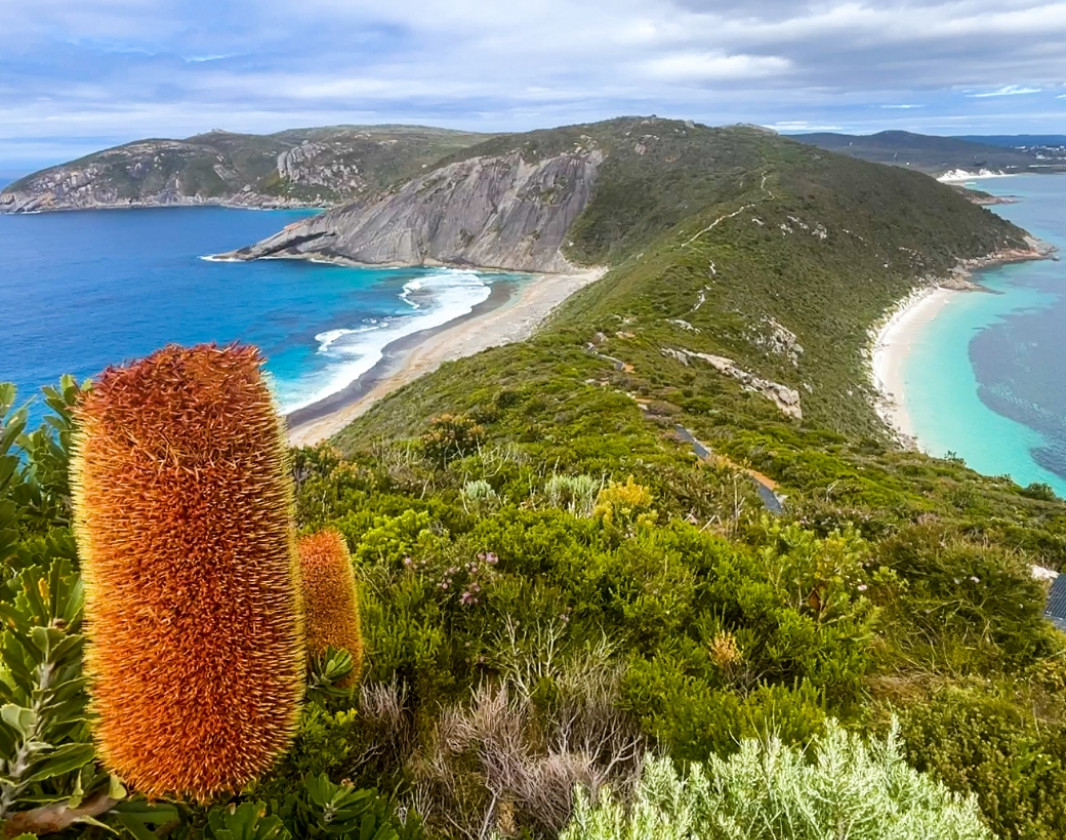
While the Torndirrup National Park, located a short 10 minute drive from Albany, is more famous for tourist attractions such as the Blowholes, Natural Bridge and The Gap, it hides one of the best hikes in the South West. The trail climbs and descends along the narrow ridge line of the Flinders Peninsula, a granite formation that juts out from the landscape into the vastness of the Southern Ocean.
Hard core bushwalkers will enjoy this 12.5km return, 6-8 hour hike over Isthmus Hill to Flinders Peninsula and on to Limestone Head and Bald Head. Terrain is steep and difficult in sections. Â
The walk ends at Bald Head, a round headland of domed granite sloping down into the ocean and can be seen from many places along the Torndirrup Coast.
Taking in a combination of boardwalk, packed limestone paths and hard granite sections, there is a great variety of things to see and photograph on the trail. Along with the spectacular views of the granite cliffs, the views back to Albany and King George Sound are breathtaking. If you are visiting Albany and have the time then put the Bald Head Walk Trail on your list of things to do. A high degree of fitness is required.
(08) 6820 3700
Book a guided Aboriginal Tour today
Comprehensive information on the South West region including destinations, things to see and do, accommodation and tours.
Albany Sticky Bush
This unusual carnivorous plant is found on granite outcrops in WA’s Great Southern Region. On warmer days, it releases a strong scent often compared to cat urine. While it might not sound appealing to us, the smell helps attract insects. Its sticky leaves then trap the insects, allowing the plant to digest them and gain nutrients from the poor soils it grows in.
At night, the scent also plays another clever role, attracting moths that help pollinate the plant. Nature is weird, wonderful and wildly resourceful.
Kaarak | Red Tailed Black Cockatoo
Known as Kaarak or Kurrah in Noongar culture, the Red Tailed Black Cockatoo is far more than simply a bird of the forest. For many Noongar people, Kaarak is a powerful cultural symbol, spiritual messenger and protector, deeply connected to Country, family and ancestry.
The striking black feathers and vibrant red tail panels make Kaarak one of the most recognisable birds of the south west, with their loud calls echoing through jarrah and marri forests. In Noongar culture, these calls are often seen as carrying messages from ancestors and the spirit world, reminding people to listen, reflect and stay connected to Boodja.
Kaarak also holds importance as a totem animal for some families and groups, representing guidance, responsibility and respect for the natural world. Seeing these birds flying overhead is often considered deeply meaningful.
Today, Kaarak is listed as endangered, facing threats from habitat loss, land clearing and climate pressures. Protecting mature marri, jarrah and wandoo woodlands is critical, not only for the survival of the species, but for preserving the cultural connections and stories tied to this iconic bird.
When walking through the trails of the Great Southern, pause for a moment if you hear the unmistakable call of Kaarak overhead. It is one of the many reminders that these landscapes have been culturally connected, cared for and understood for tens of thousands of years.
Kylie | Boomerang
The Kylie is a traditional Noongar boomerang, skilfully crafted and used for hunting, gathering and cultural practices across the south west of Western Australia. Unlike the returning boomerangs often seen today, many traditional kylies were designed to travel straight and fast, making them highly effective hunting tools.
Hakea wood was commonly used to create kylies due to its strength, density and natural shape. Noongar people possessed deep knowledge of the landscape and understood which trees and branches would produce the strongest and most balanced tools. Carefully shaped and smoothed by hand, each kylie was unique and created with purpose.
Beyond hunting, the kylie also held cultural significance, reflecting skill, knowledge sharing and connection to Country. The making and use of tools like the kylie formed part of a broader understanding of sustainable living, where resources were respectfully sourced and nothing was taken without purpose.
Today, the kylie remains an important symbol of Menang Noongar ingenuity, craftsmanship and cultural continuity, carrying stories and traditions that have been passed down through generations.
Located just south of Albany, Torndirrup National Park features a diverse mix of ecosystems. Its rugged, wind-swept coastal heathland and sheltered gullies are home to an array of unique flora inlcuding spectacular spring flowers and rare endemic shrubs - as well as endangered mammals and rich birdlife.
The park’s vegetation changes dramatically from the exposed coastal cliffs to the sheltered inland valleys. Flora in these areas include hardy, salt-resistant, and low-growing plants, including native rosemary, banjine, and thick-leafed fanflower. In the woodland forests there are peppermint trees, swamp yate and jarrah, and shrubs inlcuding the rare Albany woolly-bush. From spring to early summer, the park bursts with color. Keep an eye out for the red and green kangaroo paws, delicate running postmen, and hidden spider or sun orchids. The area is also home to critically endangered flora, like the blue tinsel lily.
Because of the varied terrain, the park supports a dense network of marsupials, birds, and marine life. Along with western grey kangaroos, quendas and the tiny honey possum, the park is also home to the endangered western ringtail possum. Honeyeaters and wattlebirds flit through the heath, while birds of prey (like kestrels, whistling kites, and black-shouldered kites) ride the coastal air currents. You may also spot red-eared firetail finches, western rosellas, and seabirds like petrels. Reptiles like dugites, tiger snakes, bardicks, and bobtail lizards can be found in the rocky crevices and heath. The coastal viewing platforms (such as the ones near the Albany Wind Farm) are excellent vantage points for spotting migrating southern right and humpback whales.
Torndirrup Peninsula one of the Great Southern’s most spectacular landscapes and was once connected to Antarctica, as part of the ancient super-continent – Gondwana.
The area lies within the Albany–Fraser Orogen, a vast belt of ancient rocks formed between 1,200 and 1,400 million years ago when continental plates collided along the southern margin of Australia.
The peninsula is dominated by granite and gneiss — extremely hard metamorphic and igneous rocks that formed deep within the Earth’s crust under intense heat and pressure. In many areas, these rocks have been exposed for hundreds of millions of years as erosion gradually stripped away softer overlying layers.
Rainfall and powerful ocean swells continually batter this coastline, exploiting fractures and weaknesses in the granite and gneiss. Over time, this erosion has carved some of the park’s most famous geological features.
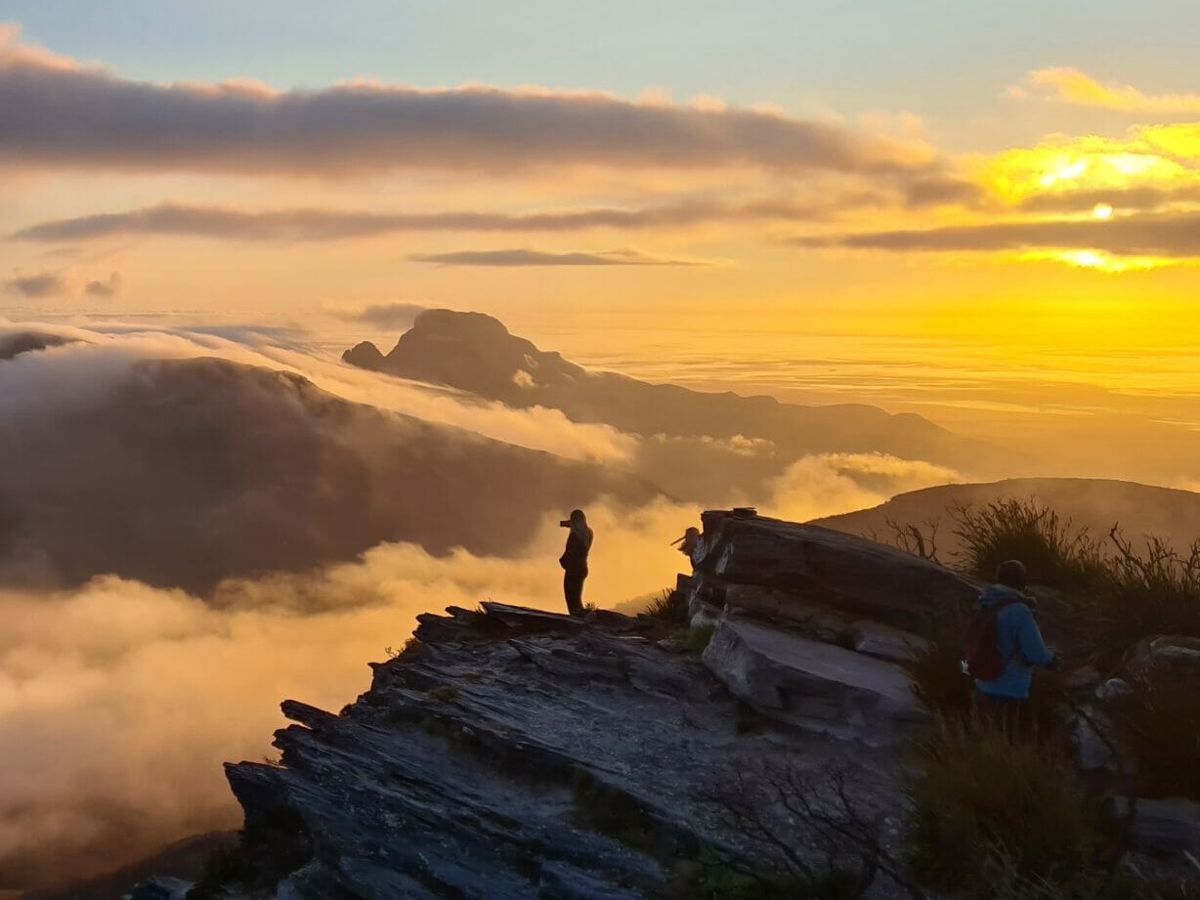
Along the ridgeline, walkers pass weathered granite domes, exposed rock slabs and dramatic cliff edges overlooking the Southern Ocean and King George Sound.
The coastline also preserves evidence of changing sea levels. Around 55 million years ago during the Eocene period, sea levels were much higher than they are today, and large parts of the Great Southern coastline were submerged beneath shallow seas.
Off The Beaten Track WA (OTBT) is Perth’s leading premier Hiking Experience & Adventure Tour operator, providing guests with over 70 safe, fun, inclusive experiences in a fully supported environment.
Here is everything you need to know before visiting this trail.
5 - 7 hours
12.5 kilometres return
Road 2WD
Bald Head
Class 4
Difficult trail with rough surface that may have very steep hills or extensive rock hopping. Directional signage may be limited. Bushwalking experience, navigation and emergency first aid skills, and good fitness required.
Group B - Hiking & Long Distance Trails (Bushwalks and/or longer trails)
Be careful on the granite sections and around the edges as the cliffs are quite steep.
No pets or bikes
9°C
Feels like 7°C
Max 13°C
Min 8°C
Earn points and badges and become a "TrailsWA Expert" by completing trails and leaving reviews.
Earn 3 points towards
your TrailsWA level
Earn the Popular Trail badge when you complete this trail.
We love to hear from people who've been on our Western Australian trails, so it would be most appreciated it if you wanted to leave a review.
Trails are free and offer countless benefits to our community, from fostering fun and fitness to encouraging social connection, exploration, and personal challenges. These exceptional trail experiences are made possible through the support and collaboration of these great organisations and initiatives:
Join trails wa to add this trail to your favourite. By joining you will also be able to rate and review trails and share your photos with other trail goers!
Sign in to your account to add this trail to your list of favourites, and much more.